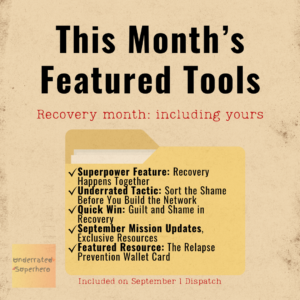
Before setting goals for next year, look at what you survived this year. You're still here. That's not nothing. This month is about reflection, rest, and getting through the hardest season.
💡 December Tip
🏆
Before setting goals for next year, look at what you survived this year. You're still here. I survived another year in the trenches. That's not nothing.
🎯
Personalize Your Calendar
The Winter 2026 Kit includes stickers to personalize your calendar with dates that matter to you—client milestones, personal reminders, or trigger dates.
🌑 Winter Solstice
December 21, 2026
The longest night. Seasonal depression peaks. Check in on clients who struggle with darkness and isolation.
🎄 Christmas Eve/Day
December 24-25, 2026
Family, gifts, expectations, grief. Same approach as Thanksgiving—plan ahead, not the week of.
🎆 New Year's Eve
December 31, 2026
Biggest drinking night of the year. Check in before, not after. Have a plan—or skip it entirely.
❄️ Cold Weather Dangers
Winter is deadly for vulnerable clients. Cold weather combined with substance use can kill.
Hypothermia: Alcohol makes you feel warm while losing heat faster. Passing out outdoors = life-threatening.
Overdose risk increases: Cold stress + opioids = respiratory depression. Using alone indoors to stay warm = no one to help.
Frostbite: Intoxicated clients may not notice symptoms until it's too late. Extremities at risk.
Isolation: Weather keeps people home. Transportation issues. Service closures. More using alone.
Action: Ask where clients are sleeping. Connect with warming centers and shelters. Don't assume they're okay—ask.
🏆
You Made It: Reflect & Reset
This three-page year-end worksheet helps clinicians pause before rushing into New Year's resolutions — because you can't plan where you're going until you've processed where you've been. It starts with reflection on what you survived this year (the hardest moments, what you handled that you didn't think you could, losses you carried). The next section focuses on wins worth remembering — client wins, professional wins, personal wins — because grief has a way of erasing the good. There's space to reflect on what you learned, followed by a checklist of things to leave behind (guilt about client outcomes, imposter syndrome, the belief that you have to do it all). The worksheet ends with gentle intentions for the year ahead: what you want more of, less of, and one thing you commit to protecting.
Best for: Clinicians at the end of the year who need to process before they plan. Use in December before the holiday rush, or in early January as a grounding exercise. Also useful for supervision conversations or year-end reflection with peers.
Available December 1st
❄️
Cold Weather Safety Guide
This three-page guide covers winter-specific risks for clients in recovery, especially those experiencing homelessness or housing instability. It opens with hypothermia risk — why clients with SUD are at higher risk (alcohol causes vasodilation, making you feel warm while losing heat faster; intoxication impairs judgment about when to seek shelter; passing out outdoors can be fatal). The guide then covers how overdose risk increases in cold weather (cold stress combined with depressants strains the body, using alone indoors to stay warm means no one to help, supply changes as dealers adjust routes). There's a section on frostbite warning signs and why intoxicated clients may not notice symptoms. The middle section offers questions to ask clients about their winter safety, and the guide ends with a checklist of winter resources to have ready: warming centers, emergency shelters, 211 hotline, naloxone distribution sites, transportation assistance, and coat drives.
Best for: Addiction counselors working with clients who are unhoused or housing-unstable, or anyone whose clients may be at increased risk during winter months. Keep this guide handy from November through March.
Watch for: Clients disappearing in December. Weather, finances, family stress, and "I'll start fresh in January" thinking. Check in before they vanish.
For you: This is the hardest month. Protect your energy. You can't pour from an empty cup—and December will try to drain it. Survival is the goal. Everything else is extra.
🎉 You Made It Through 2026
Another year in the trenches. You showed up. You cared. You kept going—even when it was hard. That matters. Rest. Reflect. Reset. And when you're ready, we'll do it again next year.
Monthly Strategies for the Underdog Clinician This is Vol 15 of The Underrated Dispatch. FEATURED HIGHLIGHT: Reading AI: Clinical Judgment in AI-Assisted Practice When I
Monthly Strategies for the Underdog Clinician This is Vol 14 of The Underrated Dispatch. FEATURED HIGHLIGHT: Recovery Happens Together September is National Recovery Month. This