Why this exists.
A clinician-built platform for the people doing harder work than the field gives credit for.
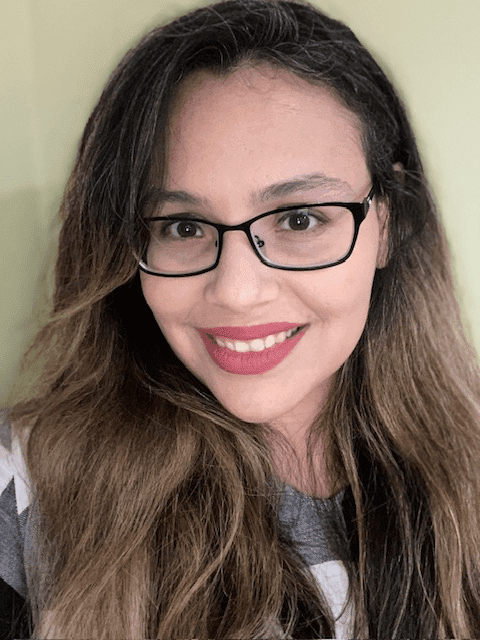
Stephanie Valentin, LCPC · CRADC · MAC
Child & Family Therapist, Rosecrance Behavioral Health
I built this because the resources I needed didn't exist.
I'm Stephanie. I've been a clinician for fifteen years — addiction work, mental health work, kids and adolescents, families, justice-involved populations. Most of that time I've worked at agencies where the caseloads are heavy, the clients are complicated, and the support is thinner than anyone outside the field would believe.
What I noticed over the years is that the clinical content available to people doing this work — the worksheets, the assessment tools, the continuing education — was mostly built for a different practice than the one I was in. It was built for clinicians with smaller caseloads, more time, more resources, and clients whose lives matched the assumptions the materials were quietly making. It wasn't built for community mental health. It wasn't built for harm reduction work. It wasn't built for the population most clinical training skips.
So I started building what I actually needed. Tools that hold up under real clinical pressure. Content that doesn't flatten the work to make it more saleable. Resources that respect both the clinician using them and the client they're for.
The Underrated Superhero is what came out of that. It's still being built. Not everything here is at the level I want it to be yet, and I'd rather tell you that honestly than pretend otherwise.
Clinical judgment is the thing that can't be replaced.
Not by frameworks. Not by shortcuts. Not by AI. Everything here is built to extend clinical judgment, not bypass it. That commitment shows up in specific ways:
Built for the actual work
The tools and content here come from real clinical practice with real clients — not adapted from generic mental health materials. If something here doesn't hold up in a session, it doesn't belong on the platform.
Harm reduction as a framework, not a slogan
Harm reduction isn't a marketing position here. It's the clinical philosophy that shapes how content is written, how tools are designed, and how the work treats the populations it serves.
Skeptical of easy answers
Clinical work doesn't reduce to checklists or scripts, and neither does the content here. The platform refuses both uncritical optimism about clinical shortcuts and the pretense that nuance has to be sacrificed to be useful.
Honest about what it isn't
This platform isn't a substitute for clinical training, supervision, or judgment. It's a set of resources built to support clinicians who already have those things. What's here extends your practice — it doesn't replace any part of it.
The work behind the work.
Specifics, not slogans.
15+
Years of clinical practice across addiction, mental health, and family work
LCPC
Licensed Clinical Professional Counselor
CRADC
Certified Reciprocal Alcohol & Other Drug Counselor
MAC
Master Addiction Counselor (NAADAC)
Current practice. Child and Family Therapist at a non-profit in Illinois. Outpatient and intensive outpatient work with children, adolescents, and families navigating substance use, trauma, mental health, and the systems around them.
Specializations. Harm reduction, motivational interviewing, trauma-informed care, justice-involved treatment. Trained in EMDR, Brainspotting-informed practice, and Trauma-Informed CBT. Group and individual work across virtual and in-person settings.
What this platform reflects. Two years of building clinical tools, writing for clinicians doing the harder work, and developing methodology for keeping clinical judgment at the center of the practice — even as the field changes around it.
Get in touch.
If you're a clinician with a question, a fellow practitioner who wants to compare notes, or an agency exploring what this platform could offer your team — reach out. I read everything that comes in.