
Monthly Strategies for the Underdog Clinician
Featured Highlight: NEW — TRANSITION
This is Vol 10 of The Underrated Dispatch.
Mental Health Awareness Month.
And the month everything on this platform got a lot simpler.
WHY I SIMPLIFIED
I looked at what people actually use. The blogs. The resource downloads. The documentation tools. The clinical practice resources. Those things get used. People come back for them.
The other stuff — CE courses, forums, points and gamification, quarterly kit subscriptions — didn't get the traction I'd hoped for. That's not a criticism of anyone. It's just honest data. Building and maintaining features that aren't serving people doesn't make sense, so I stopped.
What's left is what this platform was always really about: practical clinical tools, content about the work, and resources built by someone who still sits across from clients every week.
WHAT'S GONE
CE courses have been removed. If you purchased individual courses, those purchases stand — reach out if you have questions.Forums are gone. They never really got off the ground and that's on me for building infrastructure before community.Points, badges, and gamification have been removed. Fun concept, not the right fit for this audience.Quarterly kit subscriptions are retired. The tools that were in those kits are finding their way into the resource library instead, where they're accessible without a separate subscription.
WHAT STAYED AND GOT BETTER
The Resource Library. The blog. The free tools. The Justice-Involved Treatment Mastery Series. The New Clinician Survival Kit Series. The interactive boards. The clinical documentation suite. All of it stayed — and the library in particular got a significant upgrade in how it's organized and what's in it.
Here's the thing about the Resource Library: it's the most underutilized part of this platform. Hundreds of clinical tools, documentation templates, assessment resources, and practice guides — and most members have barely scratched the surface. That changes now.
ONE TIER. FULL ACCESS.
Instead of four membership tiers with different levels of access, there's now one: Member.
Monthly or annual billing, same access either way. If you're a paying member, the entire Resource Library is yours. No more wondering which tier unlocks which thing. No more gatekeeping.
Free accounts still get everything in Free Tools & Kits — the toolkits, the blog, the screening resources, and the Pick My Letter tool. That hasn't changed.
The difference is simple: free accounts get the free tools, members get everything
Important May Updates
🟢 IT’S MENTAL HEALTH AWARENESS MONTH
May is Mental Health Awareness Month — and for most of you, mental health isn’t just awareness, it’s your daily work. This month’s content and resources reflect the intersection of mental health and addiction counseling, and the clinicians navigating both every single day.
⚖️ IT’S ALSO MENTAL HEALTH AWARENESS WEEK (MAY 12–18)
Mental Health Awareness Week falls May 12–18 this year. A good time to check in — not just on your clients, but on yourself. This work takes something from you. Make sure you’re accounting for that.
MAY MISSION UPDATES
Here’s everything happening this month:
- New Platform Launch (5/1) — Simplified membership goes live
- Featured Board (5/1) – Supporting Loved Ones
- Monthly Content Drop (5/15)
- New Clinician Series (5/3; 5/10; 5/17; 5/24; 5/31) — Five new posts this month
- Justice Involved Mastery Series (5/10) -8th Article Release: Justice-Involved Treatment Series
- Full Toolkit Download (5/31) — Complete Justice-Involved toolkit available
Bonus Special: New Clinician Survival Series – Ongoing
Weekly strategies that bridge theory and reality
May’s series kicks off with Blog #29 — “My Workplace Is Toxic.” The one that hits closest to home for a lot of clinicians. Because sometimes the hardest part of this work has nothing to do with your clients.
Recent Posts You May Have Missed:
- “I Freeze in Crisis Situations” — When your training disappears exactly when you need it most
- “I Don’t Practice What I Preach” — When the gap between what you teach and how you live gets too wide to ignore

- “I’m Worried My Client Is Hopeless” — When doubt creeps in and the entire process is affected
- “My Client Died: When the Loss Belongs to You Too” — Some losses don’t come with a bereavement day
Coming in May:
- Blog #29 “My Workplace Is Toxic” (5/3) — When the hardest part of the job is the system you’re in
- Blog #30 “I Don’t Know How to Specialize” (5/10) — Moving beyond survival into building a clinical identity
- Blog #31 “My Client Isn’t Getting Better and I Don’t Know Why” (5/17) — When the work stops making sense
- Blog #32 “When Do I Stop Being New?” (5/24) — The shift from surviving to something more
- Blog #33 “I’m Running Out of Things to Say in Sessions” (5/31) — When the silence stops feeling therapeutic
What Makes This Series Different:
Unlike generic “new professional” advice, this series specifically addresses the unique challenges of behavioral health work. Each post includes the uncomfortable thought, why it happens, what to do about it, and tools you can use immediately—decision trees, scripts, and reflection prompts.
Follow along: New posts drop every Sunday.
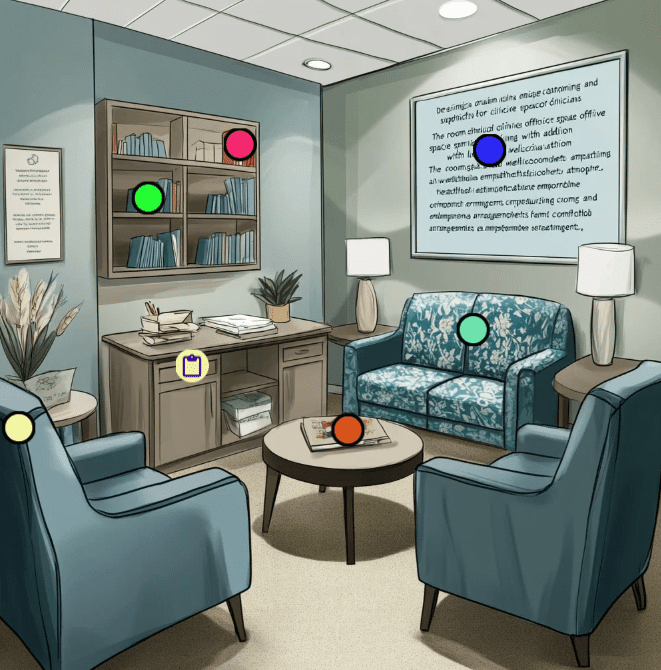
FEATURED BOARD: Supporting Loved Ones
Mental Health Awareness Month isn't just about the person in treatment. It's about everyone sitting in the waiting room, holding the household together, and trying to understand what their person is going through.
The Families & Loved Ones board is built for the clinicians working with that whole system — not just the identified client. Tools, frameworks, and resources for the family conversations that don't always go the way you planned.
Perfect For:
Clinicians doing family therapy alongside individual SUD treatmentAnyone supporting loved ones of people in early recoveryClinicians navigating the space between client confidentiality and family needAnyone who has ever had to explain addiction to a parent, partner, or child
QUICK WIN TOOL OF THE MONTH
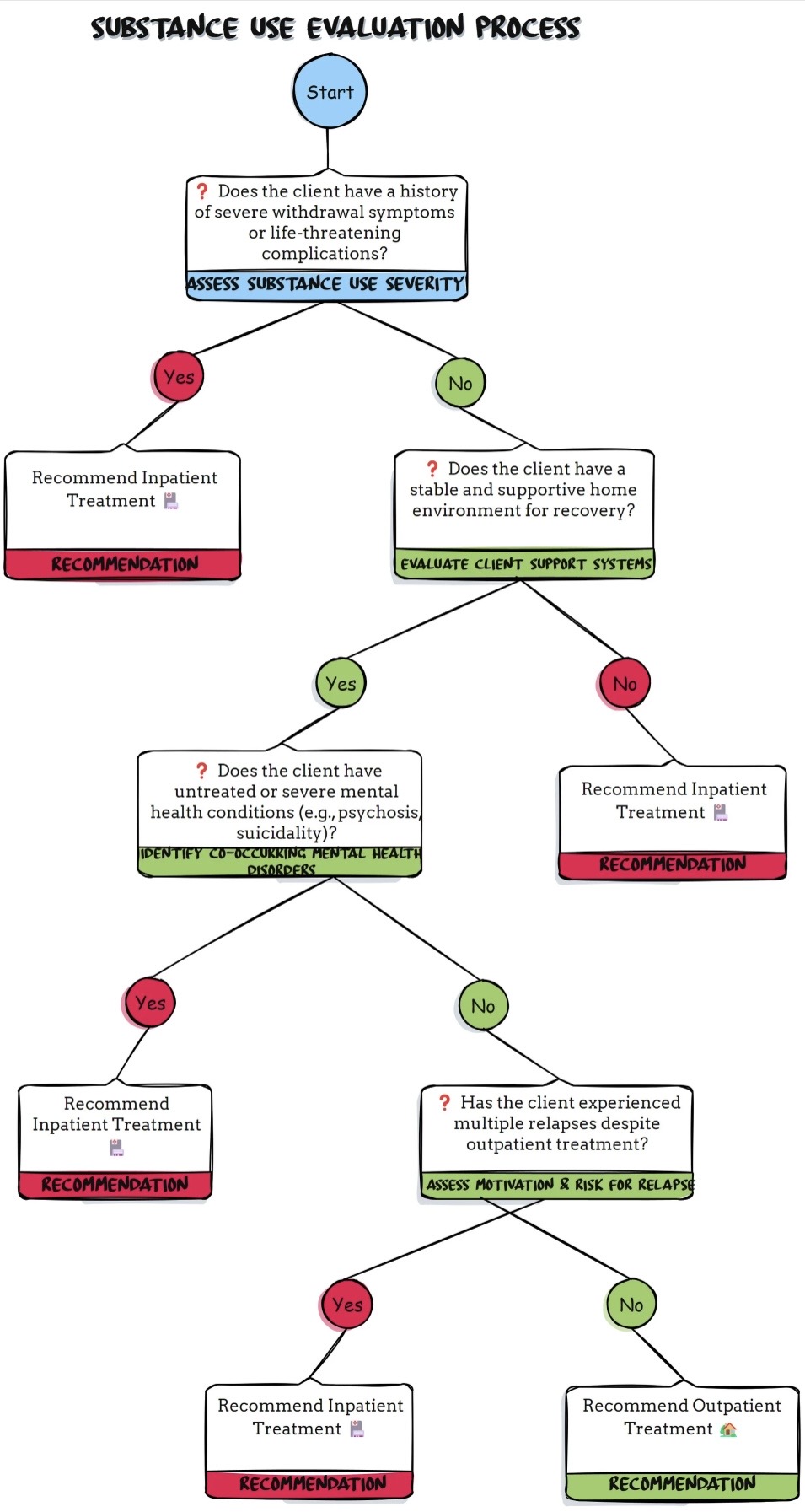
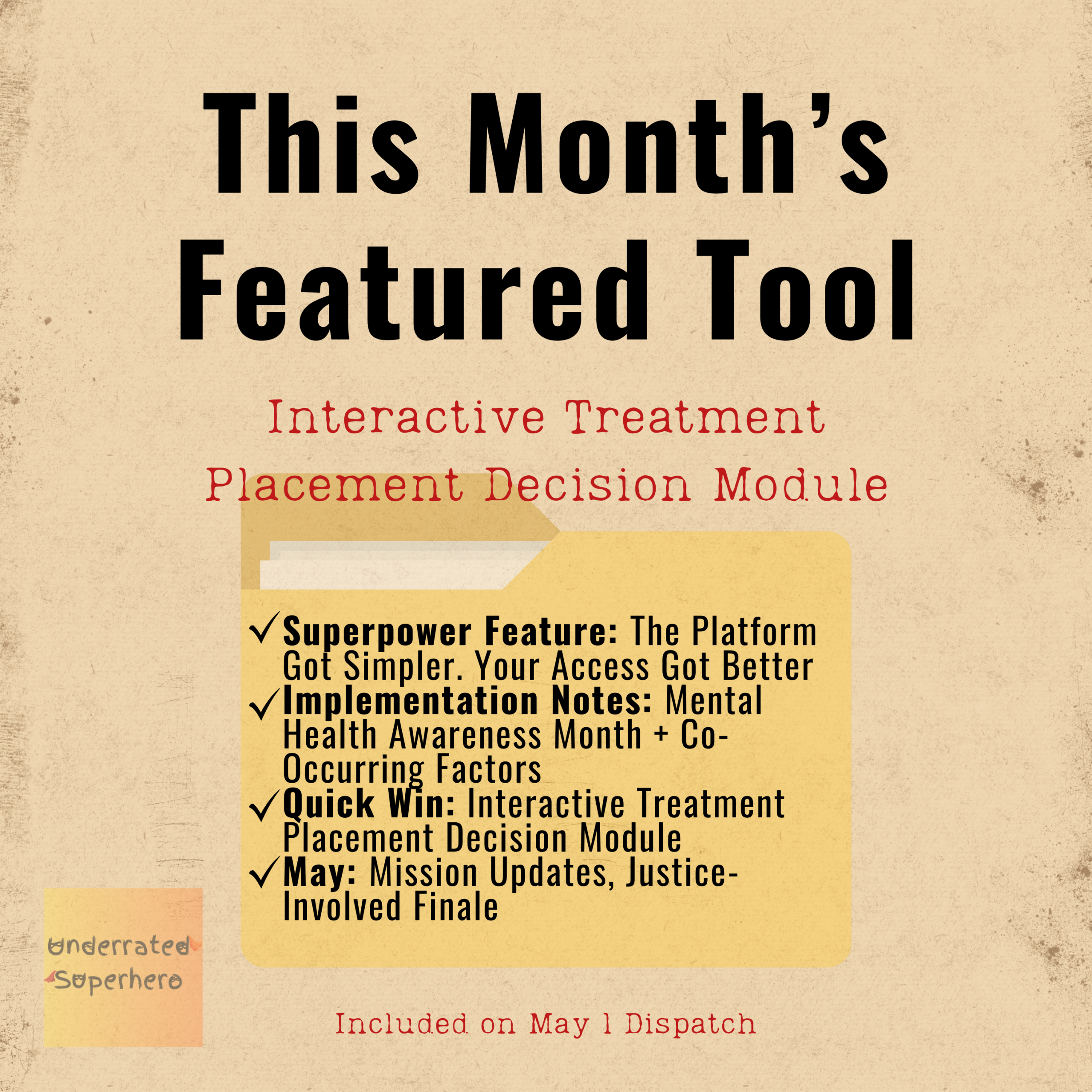
Interactive Treatment Placement Decision Module
In honor of Mental Health Awareness Month, this month's quick win tool is an Interactive Treatment Placement Decision Module — a guided clinical decision tool for inpatient vs. outpatient placement. It walks through substance use severity, support systems, co-occurring mental health conditions, and relapse history. Includes the full Substance Use Evaluation Process flowchart.
Free for all subscribers.
The module works best as a pre-session reference when you’re unsure about level of care. And Mental Health Awareness Month is a good time to revisit how often co-occurring mental health factors are driving placement decisions that look like pure SUD cases.
UNDERRATED TACTIC: The Placement Conversation – Have it Before You Need It
Most clinicians avoid the level of care conversation until it's urgent. By then the client is in crisis, the family is panicked, and you're making placement recommendations under pressure with no foundation to build on.
Have the conversation early. In the first few sessions, walk through what different levels of support look like together. Not as a threat — as a map. "Here's how we think about what kind of support fits where you are."
When clients understand the decision tree before a crisis hits, they're more likely to accept a higher level of care recommendation when the time comes. The module makes that conversation easier.
PAIRS PERFECTLY WITH THIS MONTH’S QUICK WIN: The Decision Module
Use the module to build the framework together — then reference it when the conversation gets harder.
JUSTICE-INVOLVED TREATMENT MASTERY SERIES
Month 8: The Finale — Article Releasing May 10th
Eight months. Eight articles. Every major clinical challenge in justice-involved treatment — from harm reduction with mandated clients to relapse when the court is watching to trauma-informed care in a system that isn't.
Article 8 — Ethics in Justice-Involved Treatment: When Systems Collide — drops May 10th. This is the one that ties it all together.
The complete series download — all 8 articles and every resource — will be available May 31st. Free for all subscribers.
Previous Articles:
- Understanding the Justice-Involved Client
- Building Trust When the System Sent Them
- Navigating Mandated Treatment

- Documentation That Satisfies Courts AND Supports Recovery

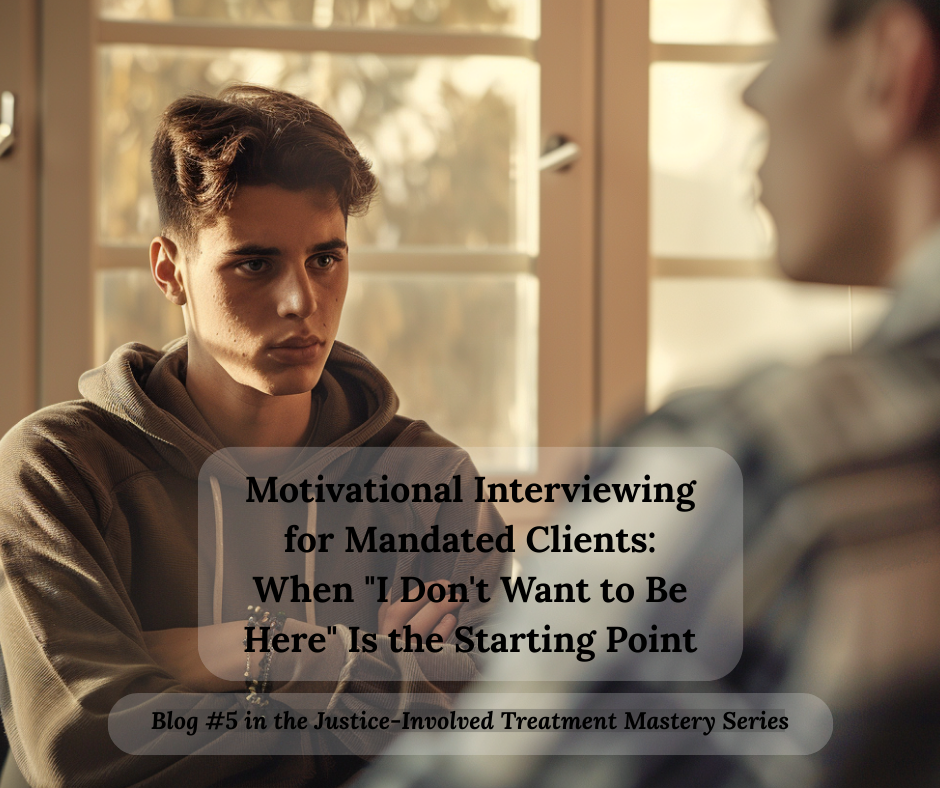
- Motivational Interviewing for Mandated Clients
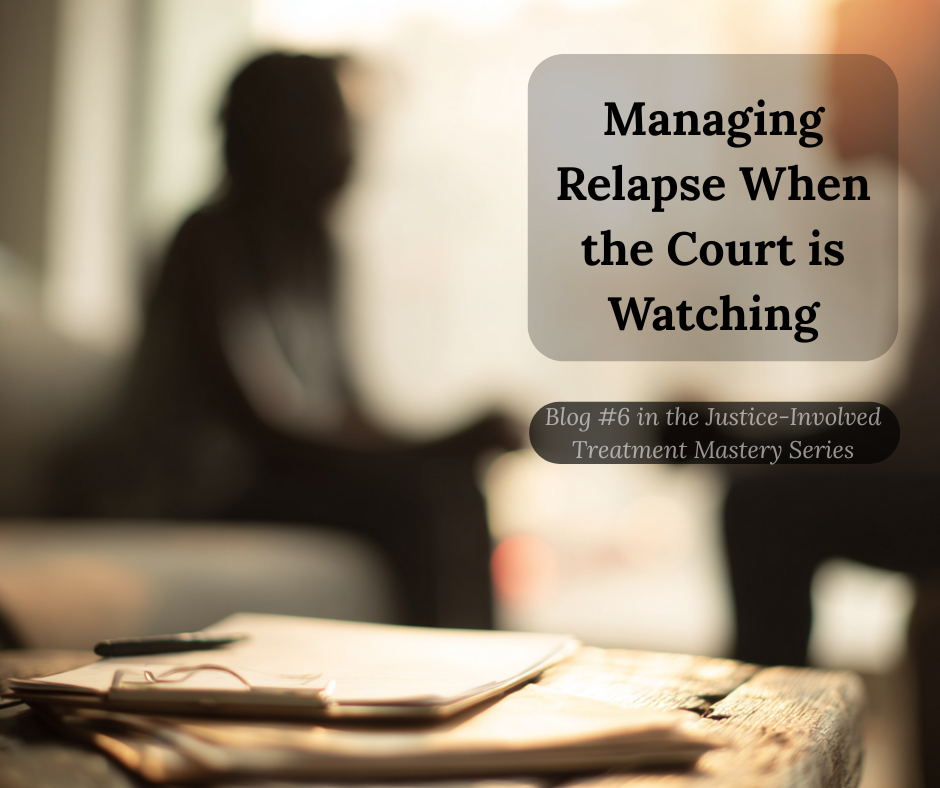
- Managing Relapse When the Court Is Watching
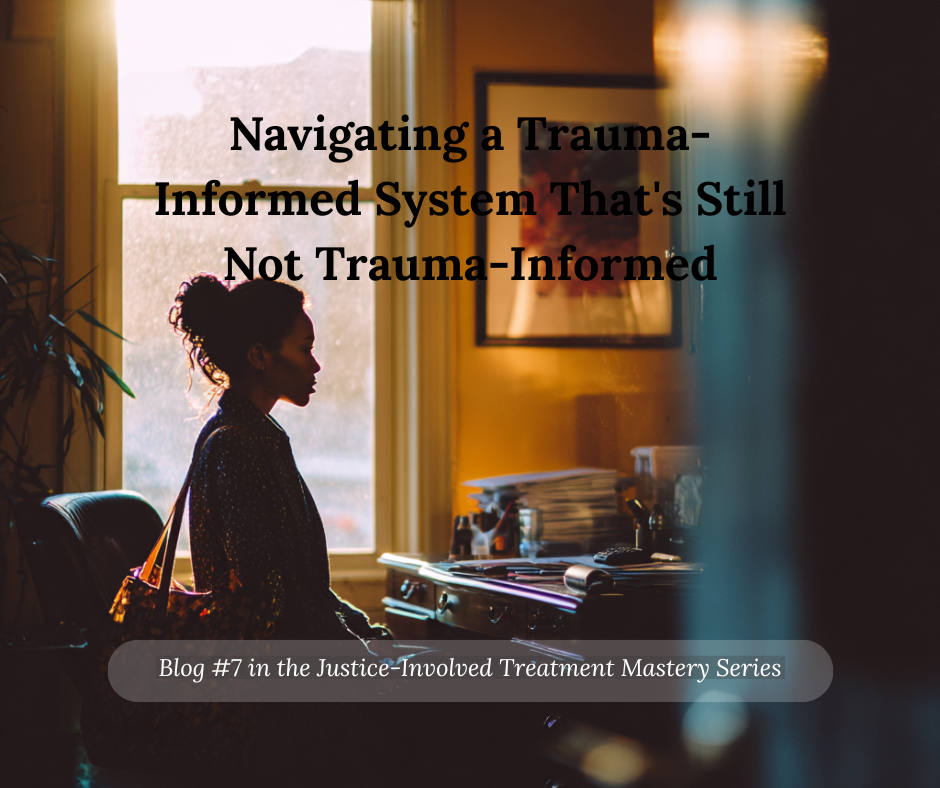
- Navigating a Trauma-Informed System That’s Still Not Trauma-Informed
Coming May 10th:
Based on our comprehensive Justice-Involved Interactive Board
Ultimately, remember that you don’t have to reinvent the wheel. Explore The Underrated Superhero Resource Hub for ready-to-use tools, templates, and strategies that save you prep time and keep you focused on care.
– The Underrated Superhero
Prefer to download and read later?
