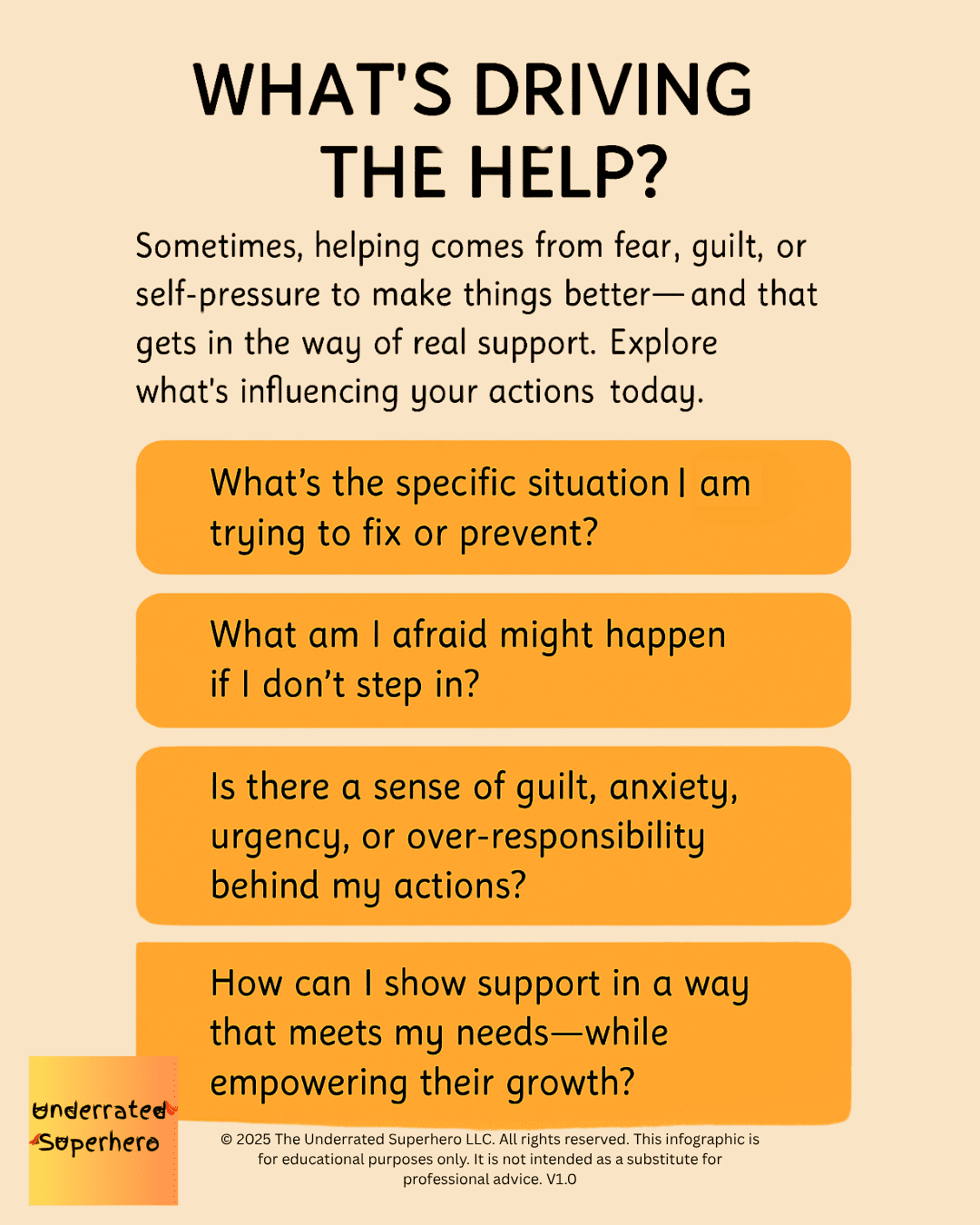
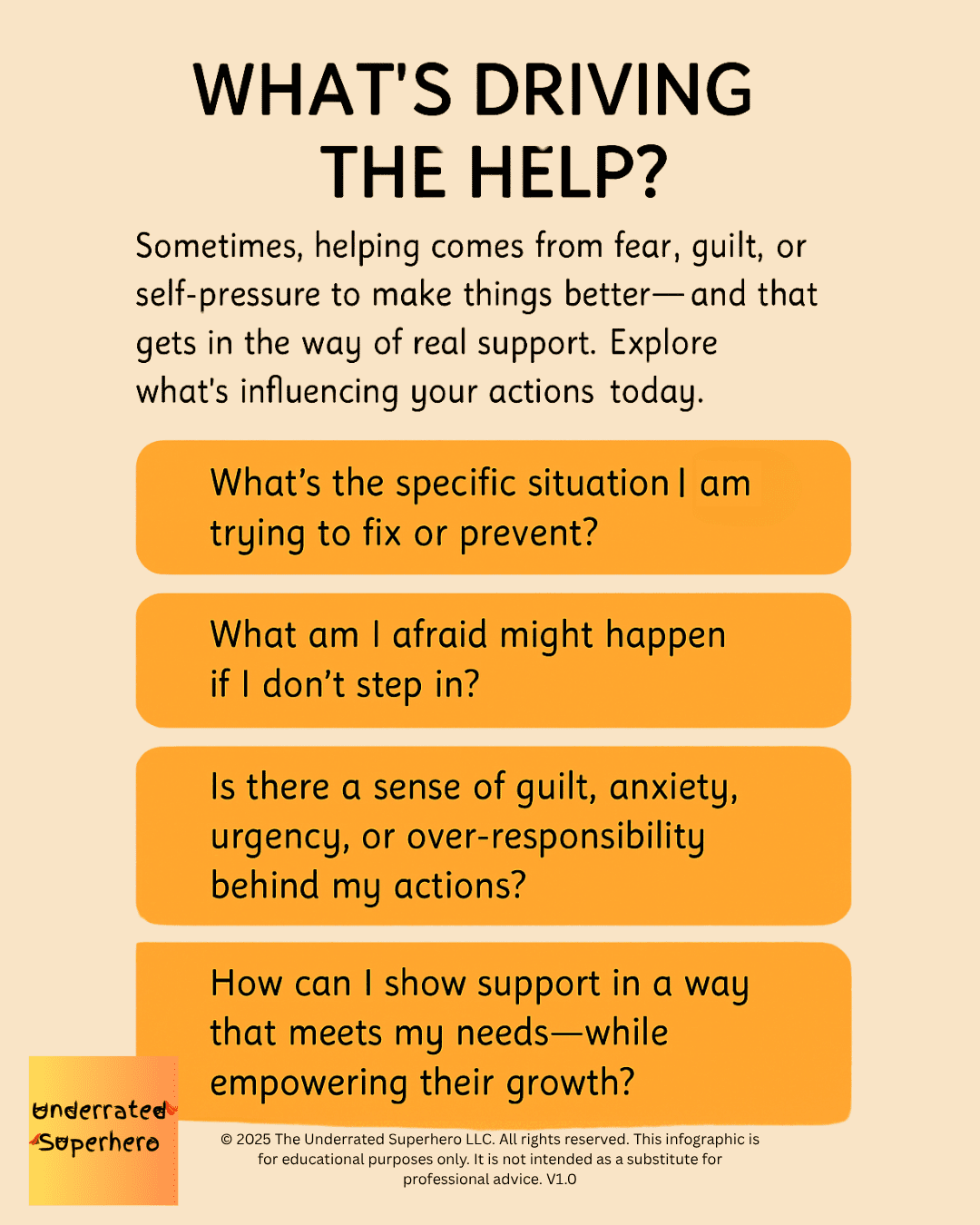
Explore why you help and whether it’s driven by fear, guilt, or over-responsibility. This tool supports self-awareness and empowers healthier, more balanced support approaches in relationships and recovery.
Individuals wanting to examine personal motivations in helping roles. Families navigating recovery support dynamics. Clinicians facilitating boundary and relationship discussions
A printable companion to the Wellness Map. Clients rate eight areas of life from running on empty to going well, connect the dots, and talk through what the shape shows. The session starts with what is going well and ends with one small step, who can help, and when. Based on the Eight Dimensions of Wellness (Swarbrick; SAMHSA). A clinical reflection tool, not an assessment.
Prefer to run it on a screen? The interactive Wellness Map walks through the same eight areas one slide at a time, with a group mode for presenting and a one-client mode that prints the plan. Free with an account. Open the interactive Wellness Map →
This two-page guide makes the case for starting holiday relapse prevention conversations in October — not December when clients are already in crisis mode. It covers why holidays are hard for clients in recovery (family triggers, social pressure, financial stress, grief, disrupted routines, sensory triggers tied to past use), then offers specific questions to ask now. The middle section walks through building a holiday survival plan with clients: identifying high-risk situations, planning ahead for each one, building in supports, practicing saying no, creating sober alternatives, and planning for loneliness. It ends with a reference list of key holiday dates to plan for, from Halloween through New Year's Day.
This three-page worksheet helps clinicians examine what they're carrying home from work — and build strategies for better separation. It starts with a checklist of what might be following you (replaying sessions, worrying about client safety, checking email after hours, dreams about work, feeling responsible for outcomes), then moves into noticing the pattern: which clients, what time of day, what triggers it, how often. The next section offers concrete strategies for separation — end-of-day rituals, physical transitions, worry time, deleting work email from your phone. There's also a reframing section with alternatives to thoughts like "I should have done more" and "What if something happens to them?" It ends with a commitment to one change this week.