
Early Career
I Can’t Say No: Setting Boundaries with Clients (And Everyone Else)
Setting Boundaries with Clients 📚 This is Blog #5 in the New Clinician Survival Kit Series (Click to explore the series) Weekly honest support for

Setting Boundaries with Clients 📚 This is Blog #5 in the New Clinician Survival Kit Series (Click to explore the series) Weekly honest support for

Blog #4 in the New Clinician Survival Kit Series (“Making Clients Worse“) The stories in this post are real, messy, and uncomfortable—because that’s what early
Blog #3 in the New Clinician Survival Kit Series (“My Client Hates Me“) “This is not about me” vs “My client hates me” I still

Blog #2 in the New Clinician Survival Kit Series (New Therapist Overwhelm) Last week, I shared how I transformed my relationship with group therapy from
Blog #1 in the New Clinician Survival Kit Series (“I hate group therapy!”) Today, if I could only do group therapy – especially with adolescents

Quick take: Three weeks, three truths: you’re already working with addiction, intake illusions hurt care, and silence is data. This SUD screening playbook puts it

Quick take: Silence isn’t absence—it’s data. During intake, pauses, topic pivots, or “not really” answers often mark risk and uncertainty, not “no use.” A short,

Quick take: If your intake skips SUD Screening, you’re not protecting rapport—you’re protecting an illusion. A few neutral questions can change the entire course of
“I don’t work with addiction.” I’ve heard this sentence countless times from clinicians in mental health, social work, and even primary care. Sometimes it’s said
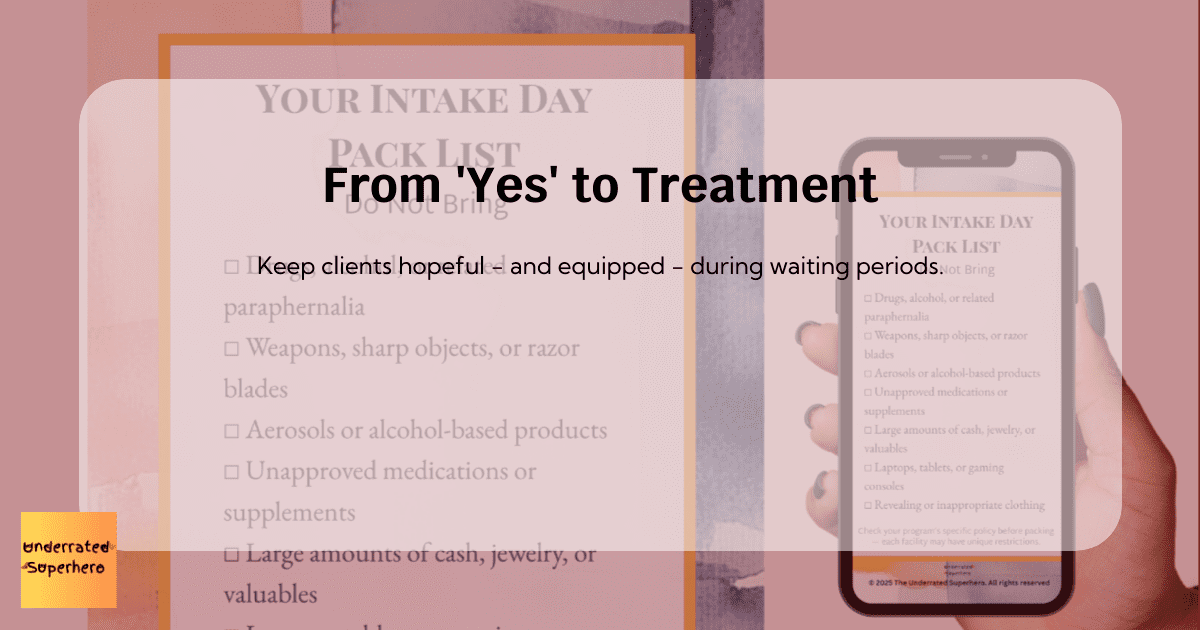
Closing the Gap Between Commitment and Care with a Treatment Readiness Toolkit When a client says “yes” to treatment, momentum is at its peak. But