
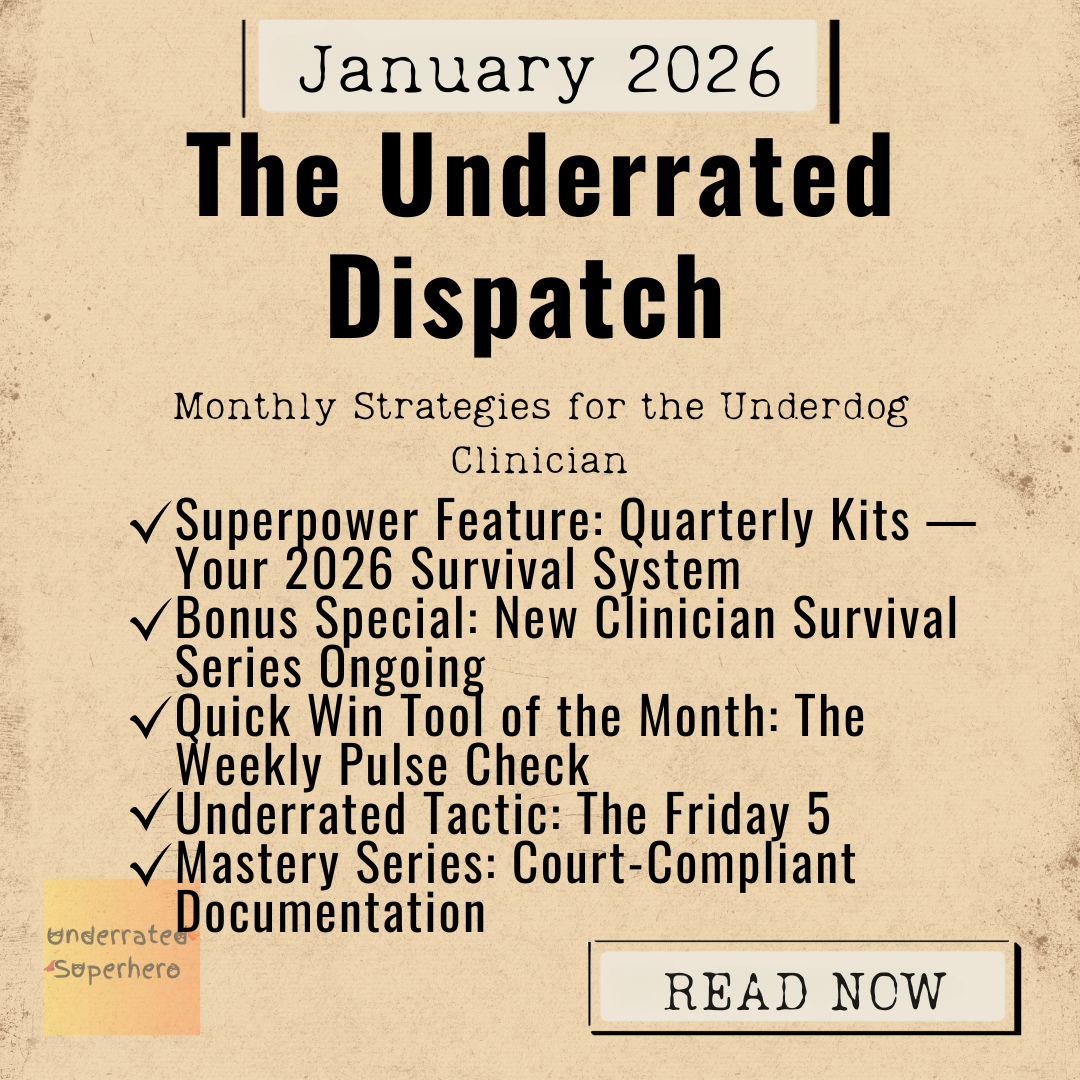
Monthly Strategies for the Underdog Clinician
Featured Highlight: WE TALK HARM REDUCTION — DOES YOUR SPACE SAY IT?
You say you’re harm-reduction focused. But what does a client see when they walk into your office?
Abstinence-only posters from 2007? Outdated pamphlets nobody reads? A blank wall that says nothing at all?
Your environment sends a message before you open your mouth. Clients are scanning your space for safety cues the moment they walk in. A “Harm Reduction Saves Lives” pillow in your waiting room. A “Progress Not Perfection” mug on your desk. A “Meet Yourself Where You Are” tote you carry into work.
These aren’t just products — they’re visual cues that tell clients: You’re safe here. I’m not going to judge you.
Think about it: How many clients have sat across from you, terrified to admit they used over the weekend? How many have minimized their drinking because they assumed you’d lecture them? How many never came back because they didn’t feel safe being honest?
Your space can change that before you say a single word.
This month only:
🛒 15% off the entire Harm Reduction Collection Use code HARMREDUCTION15 at checkout Mugs, pillows, totes, tumblers, stickers & more
🎁 Office Refresh Bundles — Save $20 Curated sets: Pillow + Mug + Tote + 3 Bonus Stickers 4 color themes to choose from:
- Teal & Green (Progress Not Perfection)
- Warm & Bold (Meet Yourself Where You Are)
- Classic White (Harm Reduction Works)
- Orange Gradient (Harm Reduction Saves Lives)
$70 each (Retail value $90)
Sale runs all February. Items may arrive in separate packages.
IMPORTANT FEBRUARY UPDATES
🎉 QUARTERLY KITS ARE LIVE!
The Winter 2026 Survival Kit and Sidekick Kit are now available and shipping. If you pre-ordered — thank you! Your kit is on the way.
Whether you’re an early-career clinician navigating the “am I doing this right?” panic, or a seasoned professional drowning in documentation, these kits were built for you.
📓 COMING SOON: The Clinician CEO Planner
A planning system built specifically for clinicians juggling caseloads, documentation, and an actual life. Not another generic planner with inspirational quotes — a real system designed for how clinicians actually work.
More details coming soon. Stay tuned.
FEBRUARY MISSION UPDATES
Here’s everything happening this month:
- Featured Board (2/1) – Private Practice
- Monthly Content Drop (2/15) – Weekly Pulse Check Worksheet + January Resources
- New Clinician Series (2/15; 2/22) — Two new posts this month
- Quarterly Kits are live! (2/1)
- Justice Involved Mastery Series (2/8) – 5th Article Release: Justice-Involved Treatment Series
- Coming Soon (TBA)– The Clinician CEO Planner
Bonus Special: New Clinician Survival Series – Ongoing
Weekly strategies that bridge theory and reality
This month’s releases tackle two things that keep clinicians up at night: getting a complaint and wanting to quit. Real talk for when the job feels impossible.
Recent Posts You May Have Missed:
- “My Client Likes Me” – When Transference Gets Personal
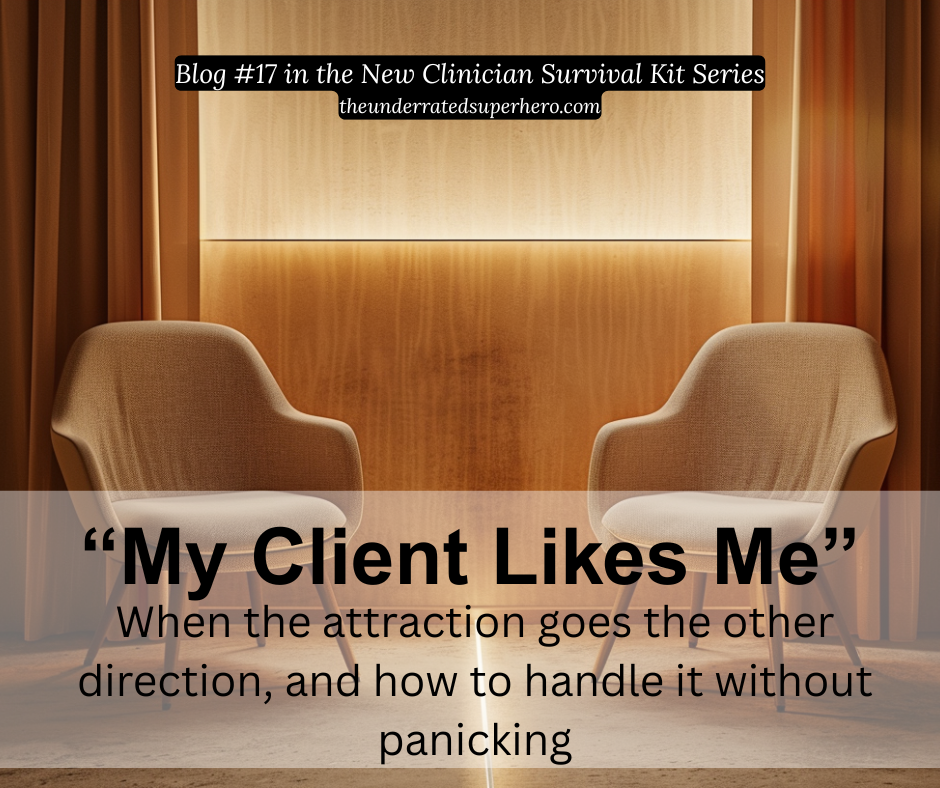
- “My Client’s Cute” – Counter-transference, Guilt, and What to Actually Do About It

- “I Don’t Like My Client” – When You Dread Seeing Someone on Your Caseload
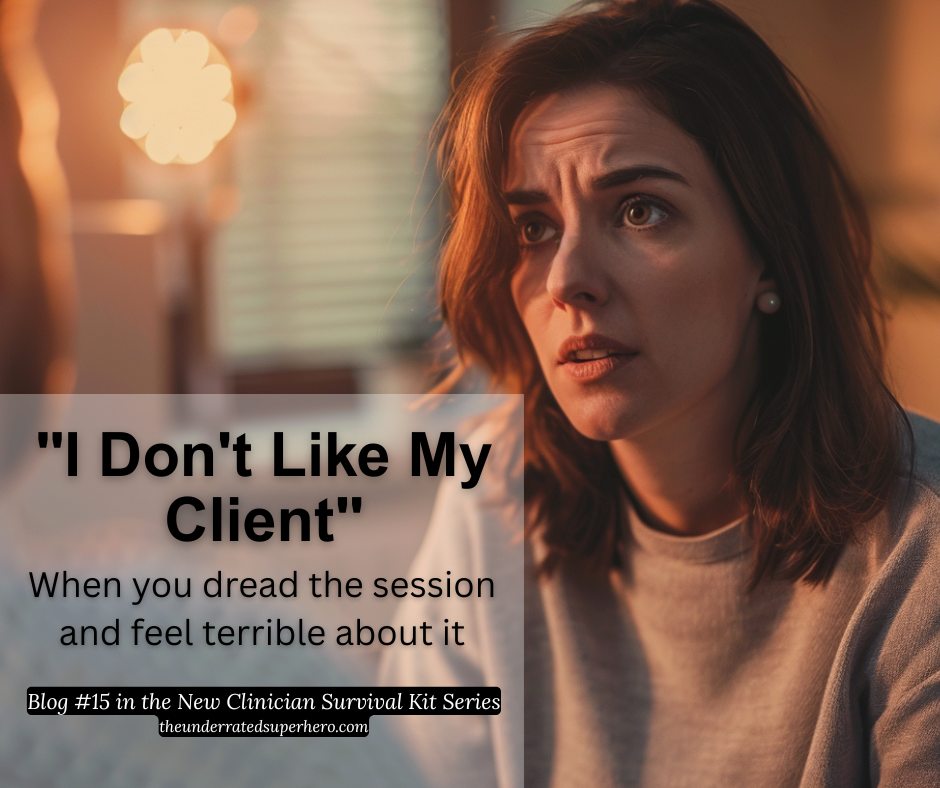
- “Nobody Told Me About the Paperwork” – When Administrative Burden Feels Heavier Than Clinical Work

- “I Can’t Handle This Caseload” – When 40 Clients Feels Like 400

Coming in February:
- “I Got a Complaint” (2/15) — The panic, the shame, the “am I going to lose my license” spiral. What to actually do when a client or family member files a complaint.
- “I Want to Quit” (2/22) — When burnout becomes a career question. The difference between “I need a break” and “I need out.” Permission to stay AND permission to leave.
What Makes This Series Different:
Unlike generic “new professional” advice, this series specifically addresses the unique challenges of behavioral health work. Each post includes the uncomfortable thought, why it happens, what to do about it, and tools you can use immediately—decision trees, scripts, and reflection prompts.
Follow along: New posts drop every Sunday.
IMPLEMENTATION NOTES
February brings two things: Black History Month and the mid-winter slump.
Your clients are deep in it now. The holiday chaos is over, but the seasonal depression isn’t. The resolutions failed. The motivation is gone. And they’re sitting across from you wondering if anything is going to change.
You might be feeling it too. The caseload that felt manageable in September feels crushing in February. The notes are piling up. The spark is dimming.
This month’s content meets you there — with cultural humility, honest conversations about quitting, and practical tools for getting through the hard parts. No toxic positivity. No “just practice self-care” nonsense.
Just real strategies for the reality you’re actually in.
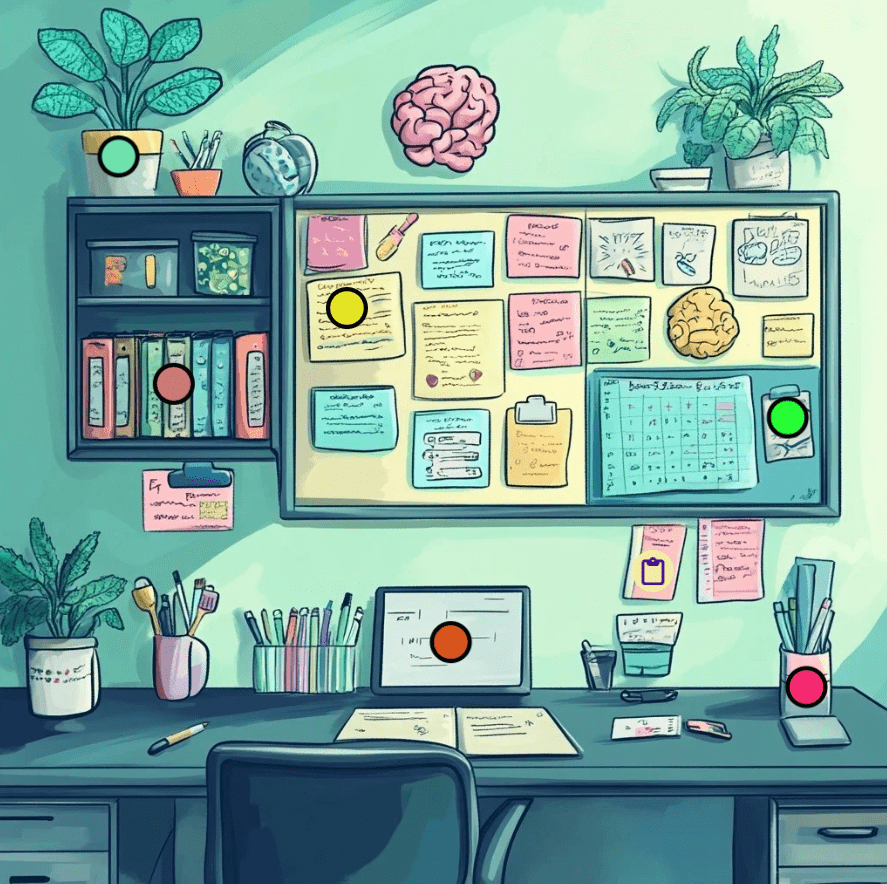
FEATURED BOARD: Private Practice
Private practice is freedom — and it’s terrifying.
No agency telling you what to do. No supervisor down the hall. No built-in referral pipeline or billing department handling your claims.
Just you, your license, and a whole lot of decisions you never learned how to make in grad school.
This interactive board provides frameworks, tools, and strategies specifically designed for private practice — whether you’re just starting out or scaling up.
Perfect For:
- Clinicians thinking about leaving agency work
- New private practice owners in their first 1-2 years
- Solo practitioners feeling isolated and overwhelmed
- Group practice owners building systems
QUICK WIN TOOL OF THE MONTH
CULTURAL HUMILITY CHECK-IN
FIND THEM NOW IN YOUR PROFESSIONAL RESOURCES
5 questions. 2 minutes. Black History Month edition.
February is Black History Month — a good time to pause and check in with yourself.
This isn’t a test. There’s no scoring, no pass/fail. Just honest reflection. Answer for yourself, bring it to supervision, or use it to start a conversation with your team.
The 5 Questions:
- When’s the last time I learned from a Black clinician or researcher? (A book? Podcast? CEU? Training?)
- Do my office materials reflect diverse experiences? (Books on shelves, posters on walls, pamphlets in the waiting room)
- Do I ask about race-related stress in assessments? (Or only when the client brings it up?)
- Do I know culturally-specific recovery resources in my area? (Black-led meetings, culturally-responsive treatment programs, community organizations)
- Am I uncomfortable right now? (Good — sit with it.)
Why This Matters:
Cultural humility isn’t a box you check. It’s not a one-time training you completed in 2019. It’s an ongoing practice of self-reflection, learning, and sitting with discomfort.
Your clients of color are navigating systems that weren’t built for them — including the mental health and addiction treatment systems. They’re reading your office, your language, your assumptions. They’re deciding whether you’re safe before they tell you the real stuff.
This check-in won’t make you culturally competent. Nothing will. But it might help you notice where you’ve gotten comfortable — and where you have room to grow.
How to Use It:
- Team meeting: Use it as a discussion starter for your clinical team.
- Solo reflection: Take 5 minutes with the PDF. Be honest.
- In supervision: Bring it to your next session. Discuss what came up.
UNDERRATED TACTIC: THE QUESTION YOU’RE NOT ASKING
MAKE RACE-RELATED STRESS PART OF YOUR STANDARD ASSESSMENT
Most clinicians only ask about race when it “seems relevant.” When the client brings it up. When there’s an obvious incident. When they’re working with someone who doesn’t look like them.
But here’s the thing: race-related stress affects health outcomes, treatment engagement, and recovery — whether it’s spoken or not.
The research is clear:
- Experiences of discrimination are linked to higher rates of depression, anxiety, and substance use
- Clients of color often minimize race-related stress with white clinicians because they don’t expect to be understood
- “Not seeing color” doesn’t make you safe — it makes you oblivious
The Problem: You’re waiting for clients to bring it up. But they’re waiting to see if you’re safe enough to bring it up TO. Someone has to go first. It should be you.
The Fix:
Add one question to your standard assessment:
🗣 “How has your race or background affected your experience with treatment or recovery?”
That’s it. One question.
You don’t need to have all the answers. You don’t need to be an expert on every cultural experience. You just need to open the door.
What Happens Next:
Some clients will shrug. “It hasn’t really.” Okay. Door’s open if it ever does.
Some clients will pause. They’ve never been asked that before. Give them space.
Some clients will tell you things they’ve never told a clinician. Things that change how you understand their whole case.
All three responses are information.
The Key:
Ask everyone. Not just clients of color. Not just when it “seems relevant.”
White clients have racial identity too. And sometimes they have biases affecting their relationships, their recovery community, their worldview. That’s clinical information.
PAIRS PERFECTLY WITH THIS MONTH’S QUICK WIN: CULTURAL HUMILITY CHECK-IN
Use the check-in to reflect on your own practice, then start incorporating this question into your assessments. Notice what comes up — for your clients and for you.
JUSTICE-INVOLVED TREATMENT MASTERY SERIES
Month 5: Article Releasing February 8th
The Justice-Involved Treatment Mastery Series continues this month with our 5th article.
If you’ve been following along, you know this series tackles the unique challenges of working with clients in the criminal justice system — the population everyone wants to help but few are trained to actually serve.
Previous Articles:
- Understanding the Justice-Involved Client
- Building Trust When the System Sent Them
- Navigating Mandated Treatment

- Documentation That Satisfies Courts AND Supports Recovery

Coming February 8th:
Month 5’s article drops with subscriber-exclusive resources and practical tools you can use immediately.
Based on our comprehensive Justice-Involved Interactive Board
Ultimately, remember that you don’t have to reinvent the wheel. Explore The Underrated Superhero Resource Hub for ready-to-use tools, templates, and strategies that save you prep time and keep you focused on care.
– The Underrated Superhero
Prefer to download and read later?
